How to Know If The Meat You’re Buying Is Truly Halal

Do you ever wonder if what you’re eating at local restaurants or the unmarked meat at a butcher shop is truly halal and how you can ask to find out where things are really coming from? Check out my latest video update where I address this issue and hopefully answer those questions with tips on how you can find out everything you need to know.  I’d love your comments at the end of this post.

You can see more videos on the My Halal Kitchen You Tube channel.

How to Cook a Pot Roast

How to Cook a Pot Roast

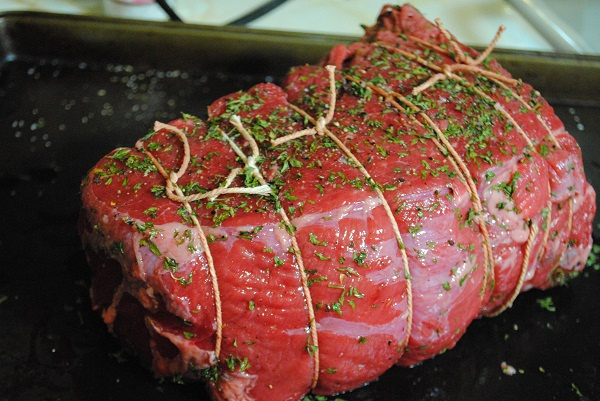
To make a pot roast, you will need a boneless cut of beef that’s commonly referred to as chuck roast, pot roast (top blade) or rump roast. Approximately 5 pounds will make a nice roast and serve 6-8 people (thinly sliced). I like to cook it slowly with vegetables like carrots, onions and potatoes in a Dutch oven, as this braising method is great for breaking down the connective tissue and tenderizes the meat nicely over this slow cooking method.

Dutch Oven Pot Roast

How to Prevent Food From Sticking to a Pan

How to Prevent Food From Sticking to a Pan

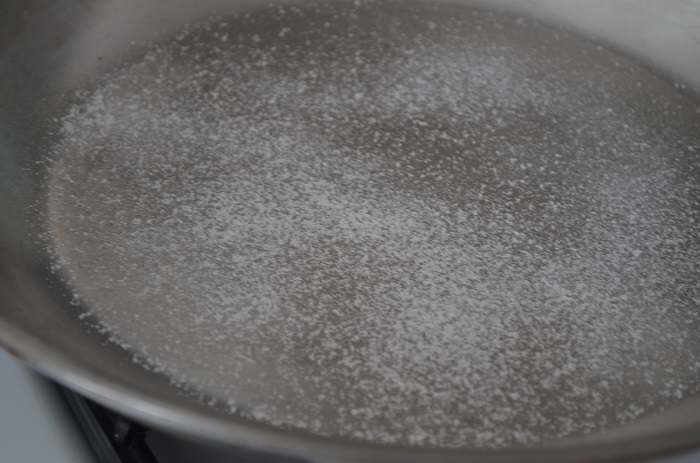
If you don’t own a non-stick pan, you don’t have to go out and buy one to prevent food from sticking to it. You can make any sort of stainless steel pan non-stick by covering the surface with salt (preferably a coarse salt) then proceeding with your cooking fat, then then the items you want to sauté.  Just use the amount of salt your dish calls for in order to prevent over-salting.      

salt the pan cover photo                      


10 Uses for Homemade Pumpkin Puree

10 Uses for Homemade Pumpkin Puree

We see pumpkins everywhere right now, don’t we?

And they come in all shapes and sizes and even colors (i.e. orange, green, light beige).

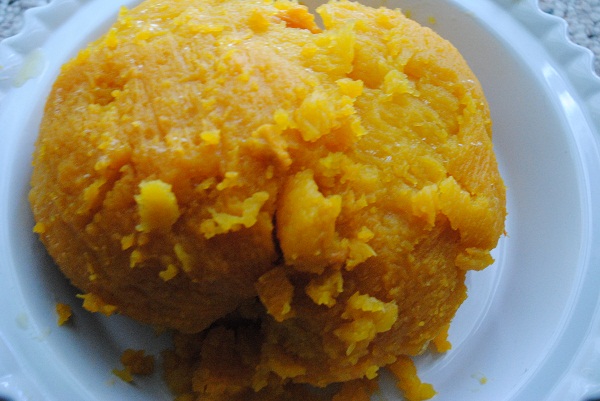
go to town with pumpkin puree

They’re kind of intimidating when you look at them. Hard, rounded but not perfectly round. Many have ridges that make them hard to cut, too. Forget about using a small knife, too- you need a chef’s knife or butcher knife to break into most of these Fall harvest beauties.

But, once you do, it’s so worth it.

Even if it is a bit messy.

Unfortunately, some of us are only told how to carve them, not how to cook and eat them. In fact, I wonder how many people have ever seen the inside of a pumpkin long enough to cook it rather than toss it in the garbage? Yes, it can be full of seeds, a stringy mess of flesh and other parts of the pumpkin you’re not even sure is edible, but believe me- most of it is.

So, begin with the two recipes below, then go to town using pumpkin puree (or roasted pumpkin first, then puree) and make all sorts of absolutely wonderful and healthy dishes your family will love– or learn to love.

Trust me. You won’t regret just trying it out.

Okay, so now that you’ve agreed long enough to read on…

Start with: Roasted Pumpkin and/or Homemade Pumpkin Puree

Then make…

These Favorite Recipes You Can Use Over & Over Again

Pumpkin Pie (Not from a Can)

Pumpkin Muffins (use pumpkin puree instead of blueberries)

Pumpkin Loaf (use pumpkin puree instead of other fruits)

Penne Pasta with Pumpkin Alfredo

Pumpkin Soup (swap out the butternut squash for pumpkin here)

Lamb Stew with Pumpkin, Sweet Potatoes, Plantains and Chickpeas

And don’t forget to use the seeds, too:

Savory Party Snack Mix

Roasted Pumpkin Seeds (just substitute the squash or other gourds for pumpkin seeds)

What would you do with pumpkin puree?