Myths About Halal Food

It’s not too often that I receive direct questions about what halal food is or what’s entailed in the processes that bring halal food to the table. I’m not sure if that’s good or bad thing, but I would hope that if people don’t understand it then they would look to credible sources to get a truthful and thorough explanation.
That’s not always what happens, unfortunately.
What does surprise me is the level of misunderstanding that takes place when something as prominent as halal isn’t understood for what it truly is. Wrought with assumptions and distorted interpretations about what encompasses halal food, it can really be the reason why some people won’t ever want to try halal food—and I don’t want that to happen.
I’m not sure I even want to know where these notions are born, but there are several quite serious assumptions that I’d like to clear up in a fairly simple way.
These myths have come to me by way of readers who are at a loss for how to respond to some of the shocking ‘beliefs’ that people have about what is involved in bringing halal foods to the table, particularly meats.
In a series of three posts entitled Myths About Halal Food, I’ll set out to dispel notions on topics surrounding where halal food comes from, how it is slaughtered and how it is handled. These post aren’t meant to be comprehensive of all the nuances of halal or even a thorough explanation of what constitutes food as halal; instead I simply want to de-bunk some of the myths that are often associated with halal food, in an effort to set the record straight and shed some light on a dietary set of guidelines that have been around for a very long time and that are actually quite beneficial to humans, animals and the environment.
I hope in doing so that people are encouraged to look deeper into the details of the rites, rituals and reasons why billilons of people around the world adopt a halal diet.
There are many great resources written by scholars and of course the Holy Qur’an and the books of Ahadith (sayings of Prophet Muhammed, peace be upon him) which are the primary origins of halal dietary guidelines. One should look for those editions in which the context is expanded upon to provide a historical background and explanation and not just text where the reader is left to self-interpret the material.
What are some myths you’ve heard about halal food? How would you respond to them? If you have any questions about halal food, ask them here and I’ll do my best to get you an answer.
Update: Links to Articles in the Series
Myth #1: Halal Means ‘Hocus Pocus’
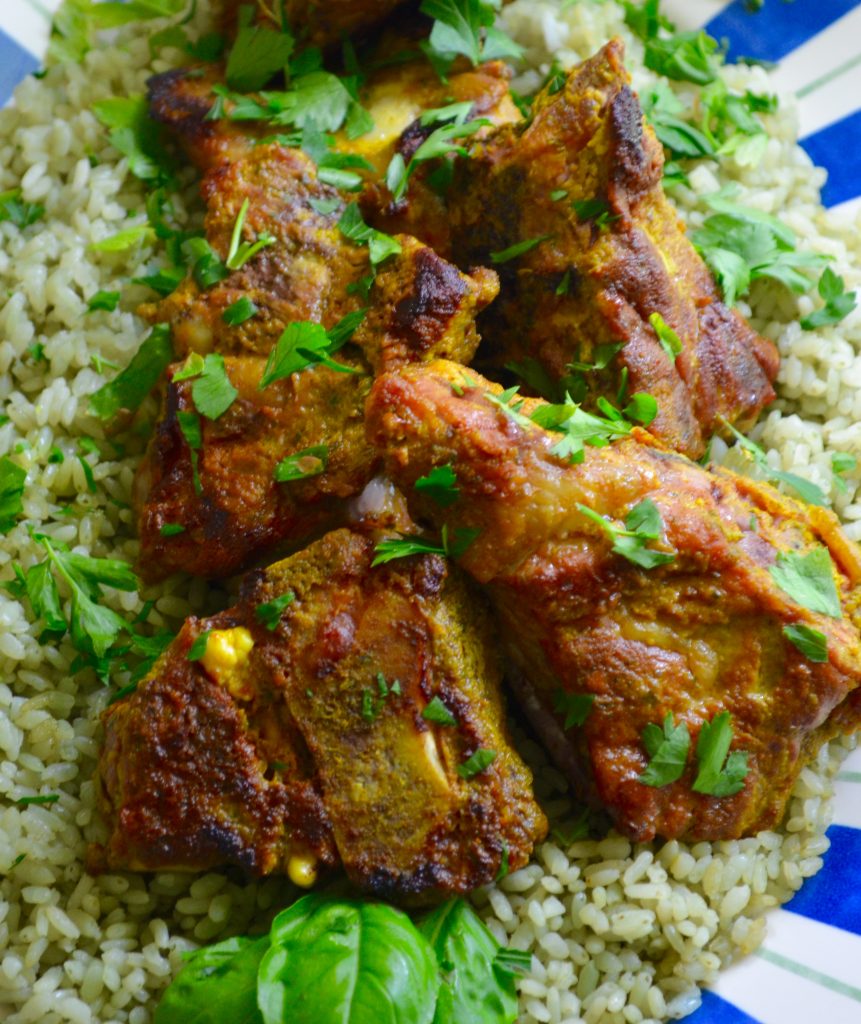
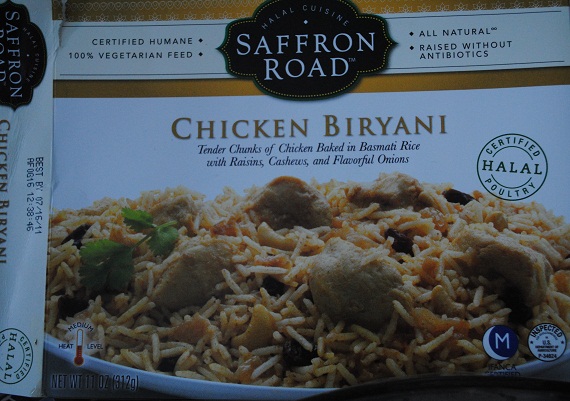





One myth I’ve heard about halal meat is that the slaughtering of animals is barbaric which is not true at all. I met a Sikh woman I worked with a few years ago and she refused to eat halal meat because in her religion it’s against her to eat meat that’s been brutally slaughtered but myself and another colleague kindly explained that was not the case.
A’Salamu Aleikum, I would like to know if eating kosher meats qualifies ass halal.
Here in the UK the media, particularly tabloid papers seem to have hijacked the term halal, using it is phrases such as ‘our children are not halal meat’ associating it to Muslims and a so called barbaric practice without actually clarifying what the term entails. I have also spoken to fast food outlets who have admitted to not openly advertising their halal products for fears of being boycotted; only mentioning the availability of a halal option when speaking directly to a Muslim customer.
I feel these fears and lack of knowledge with regards to ‘halal’ means that the availability of a halal meat option is becoming more and more limited.
Liza, kosher does not constitute halal because kosher slaughter does not invoke Allah’s name. Muslims have pointed to Surah Al-Maa’idah, Ayat 5, but it must not be taken literally: you don’t see a lot of Jews shopping around for halal meat. What Allah was referring to was the general list of animals permitted to the people of the three Abrahamic faiths.
@Hafsa- I will cover that topic in this series, insha’allah. Thank you for mentioning it. It’s an important one.
@Mida- I think your comment is a significant observation of how halal is or is not taking shape in the marketplace. It all depends upon demand and availability of quality halal products and in my opinion perhaps both should be coming from halal consumers and businesses if we want to have them made available to us at our disposal, with assurances of authenticity and top quality.
Thank you for the post, Yvonne. I am becoming educated in halal meat because of my client (I do web design), a Mexican food restaurant in San Diego that now serves Mediterranean dishes. I look forward to your posts about debunking the myths of halal food. Take care and keep up the great work.
My developer is trying to convince me to move to .net frtom PHP.
I have always disliked the idea because of the costs.
But he’s tryiong none the less. I’ve been using WordPress on several websites for about
a year aand am worried about switching to another platform.
I have heard very ggood things about blogengine.net. Is there a way I can import
all my wordpress content into it? Anny kind of help would
be reallly appreciated!
Killing anything for food is a sin in my eyes. WHy do you need to eat anything which once was alive and wanted to live. You took away it’s life. Sin period